Common symptoms of sleep apnea include loud snoring, gasping for air during sleep, daytime fatigue, morning headaches, difficulty concentrating, and waking up feeling unrested. Many people don't realize they have sleep apnea until a bed partner notices their symptoms.
If you experience chronic snoring, excessive daytime sleepiness, morning headaches, or episodes of choking or gasping during sleep, you may have sleep apnea. A sleep study is the most effective way to diagnose the condition.
Untreated sleep apnea can increase the risk of high blood pressure, heart disease, stroke, diabetes, memory problems, and chronic fatigue. Proper treatment can significantly improve both sleep quality and overall health.
TMJ disorder (temporomandibular joint disorder) refers to conditions affecting the jaw joints and surrounding muscles. TMJ can cause jaw pain, headaches, facial discomfort, clicking or popping sounds, and difficulty chewing or opening the mouth.
Oral appliance therapy uses a custom-made dental device that gently repositions the jaw and tongue to help keep the airway open during sleep. It is a comfortable and effective alternative to CPAP therapy for many patients with mild to moderate obstructive sleep apnea.
Yes. TMJ disorders frequently contribute to headaches, facial pain, ear discomfort, ringing in the ears (tinnitus), and neck pain because of the close relationship between the jaw joint and surrounding muscles and nerves.
Common TMJ symptoms include jaw pain, facial pain, headaches, ear pain, jaw clicking or popping, limited jaw movement, and difficulty chewing. Symptoms can range from mild discomfort to chronic pain.
TMJ treatment depends on the cause and severity of symptoms. Common treatments include custom oral appliances, bite splints, physical therapy, lifestyle modifications, and other conservative therapies designed to reduce pain and improve jaw function.
YES. Sleep apnea and TMJ disorders can occur together, particularly in patients who grind or clench their teeth during sleep. A comprehensive evaluation can help identify contributing factors and determine the most effective treatment plan for both conditions.
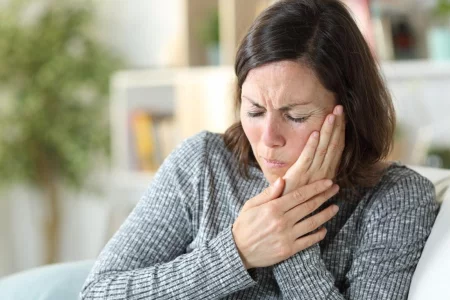
While many people use the term "TMJ" to describe jaw pain, the more accurate term is TMD (temporomandibular disorder), which refers to dysfunction of the jaw joints and surrounding muscles. The temporomandibular joints are among the most complex joints in the body, and because they share nerve pathways with nearby structures, TMD can cause a wide range of symptoms including jaw pain, headaches, ear discomfort, and facial pain that can sometimes be difficult to identify.
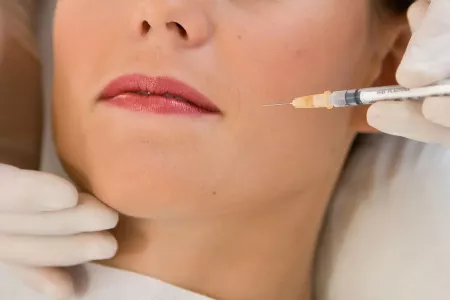
Botox® can be an effective treatment for relieving TMJ pain, jaw tension, teeth grinding (bruxism), and jaw clenching by relaxing overactive jaw muscles and reducing pressure on the temporomandibular joints. While many patients experience significant symptom relief within days, Botox primarily addresses the symptoms of TMD rather than the underlying cause, making a comprehensive evaluation essential for long-term treatment success.

The day my mom told me I had sleep apnea. From my 2012 special “Lights Out.” Jo Koy has come a long way from his modest beginnings at a Las Vegas coffee house. As one of today’s vastly growing stand-up comedians, Koy sells-out comedy clubs & theaters across the nation with his infectious, explosive energy onstage. The comedian pulls inspiration from his family, specifically his son that inspires humor across all boundaries.
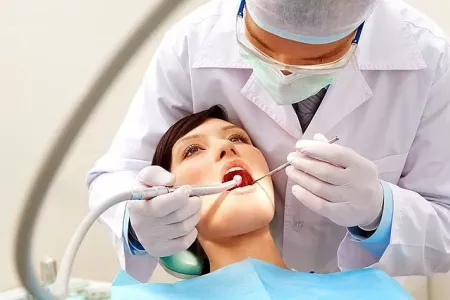
Do you struggle with fatigue, difficulty concentrating, morning headaches, or excessive daytime sleepiness? These symptoms may be signs of sleep deprivation or sleep apnea. Your dentist can play an important role in identifying sleep-related breathing disorders and helping you find effective treatment to improve your sleep, health, and quality of life.

Sleep is your life-support system and Mother Nature’s best effort yet at immortality, says sleep scientist Matt Walker. In this deep dive into the science of slumber, Walker shares the wonderfully good things that happen when you get sleep — and the alarmingly bad things that happen when you don’t, for both your brain and body. Learn more about sleep’s impact on your learning, memory, immune system and even your genetic code — as well as some helpful tips for getting some shut-e…

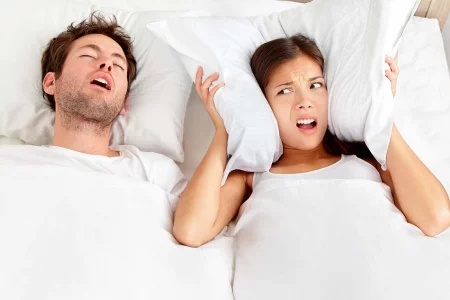
Sleep apnea and snoring can disrupt sleep quality and strain relationships. Many patients who struggle with CPAP therapy find relief with custom oral sleep appliances that are small, comfortable, and effective.Oral appliances help keep the airway open, improve breathing, and reduce sleep apnea episodes for more restful sleep without bulky equipment.